

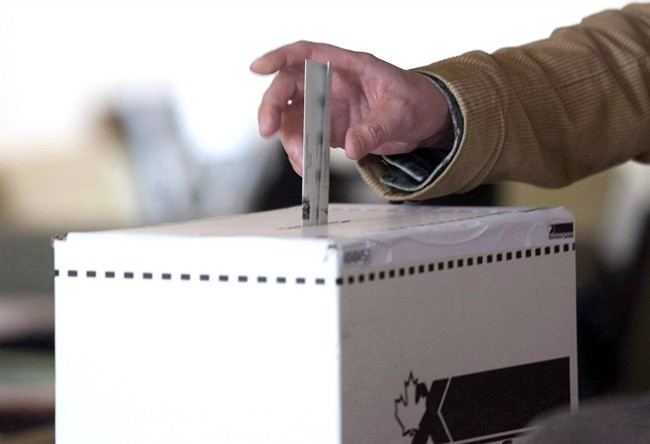
OTTAWA – Federal government lawyers say a previous round of Conservative voter identification rules enacted in 2007 effectively met Parliament’s need for electoral integrity without being too strict.

The attorney general’s submission to the Supreme Court comes as the Harper government moves to further tighten voting restrictions under its controversial Fair Elections Act.
READ MORE: Electoral reform bill prompts ugly debate in Question Period

Get breaking National news
It’s the second time the Conservatives have moved on what they perceive to be an issue of voter fraud, and it comes while their first round of reforms is still being legally contested.
Three British Columbia voters, with the help of the B.C. Civil Liberties Association, are seeking leave to appeal their constitutional challenge to the Supreme Court of Canada after twice losing in lower courts.
READ MORE: Mulcair lauds electoral reform amendments, wants to see details
- Osoyoos Band seeks return of sacred sites in discussions with B.C. government
- Record turnout expected for Penticton Peach Classic Triathlon, boosting local economy
- Mom and 1-month-old baby missing in northern B.C., not seen since July 9
- Hoekstra says Trump serious about tariff threat over wildfire smoke


Federal lawyers say the top court should not hear the case because it does not raise a matter of public importance.
The federal submission says the 2007 voter ID requirements – which included the failsafe of vouching – made what it called the “rare events” of fraud and voter error even more rare, while adding that the government’s latest voter ID restrictions under Bill C-23 should not be considered by the court because they could still be dropped or changed.


Comments
Want to discuss? Please read our Commenting Policy first.