


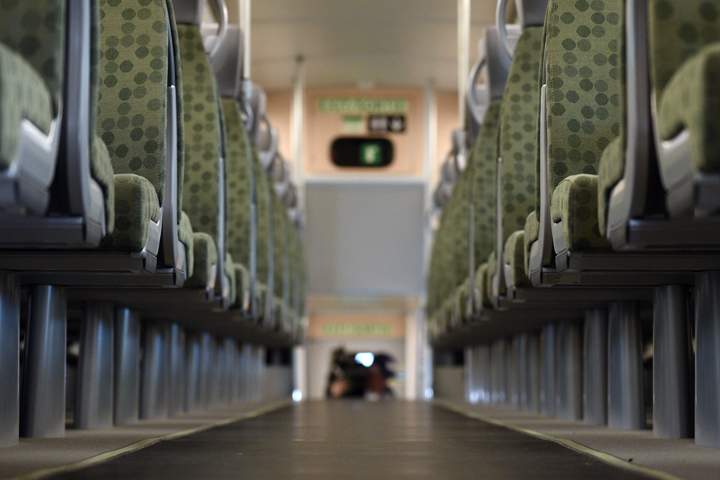
TORONTO – Forgetting your lunch or running out of toilet paper might seem like an emergency, but a Metrolinx spokesperson is reminding passengers that some events aren’t important enough to warrant pressing that yellow strip.

So far this year, passengers have stopped trains for 2,717 non-emergencies.
Anne-Marie Aikins took to Twitter this week to remind passengers to hold off pressing the yellow strip unless it’s a real emergency.
And for those unsure of what a “real emergency” is, she named her top three worst reasons for hitting the yellow strip on a GO train.
The “winners” are:
Third place: I forgot my lunch
Second place: I slept through my stop
And the grand prize goes to: Another passenger is being too loud in the Quiet Zone.
Aikins also offered a few runners-up and other favourites, such as the washroom being out of toilet paper or complaints about passengers putting their feet up on the seats.
- Osoyoos Band seeks return of sacred sites in discussions with B.C. government
- Record turnout expected for Penticton Peach Classic Triathlon, boosting local economy
- Mom and 1-month-old baby missing in northern B.C., not seen since July 9
- Hoekstra says Trump serious about tariff threat over wildfire smoke



Get breaking National news
She recalled another incident where a passenger pressed the emergency alarm so they could meet the train engineer because they wanted to apply for a job (they didn’t get one).
“That’s not really networking, I would think,” Aikins laughed.
Despite the tongue-in-cheek tone of the list, Aikins emphasized that pressing the emergency strip can result in an $85 fine, and it can affect an entire trainload of people. She says every emergency, whether legitimate or not, can delay a train for at least five to 10 minutes.
Aikins says the strip should only be pressed when a customer is in distress, needs medical attention, witnesses vandalism or disputes, sees a suspicious package, or requires Police and Transit Safety intervention.
She adds that there are alternatives to pressing the yellow strip, including calling the 24/7 dispatch number posted in the cars or contacting the Customer Service Ambassadors found on the fifth coach of each train.


Comments
Want to discuss? Please read our Commenting Policy first.