

TORONTO – The roll-out of a new smart-phone app and money for a two-year study should go some distance toward helping Canadian veterans and others cope with post-traumatic stress disorder, the federal government announced Monday.

The initiatives should also help families of vets, Veterans Affairs Minister Steven Blaney said in making the announcement at the start of Mental Health Week.
“Our government recognizes the seriousness of PTSD among veterans and Canadian Armed Forces personnel and its impact on their families,” Blaney said.
“These important initiatives … will assist us in addressing the mental-health needs of those who sacrificed so much for their country.”
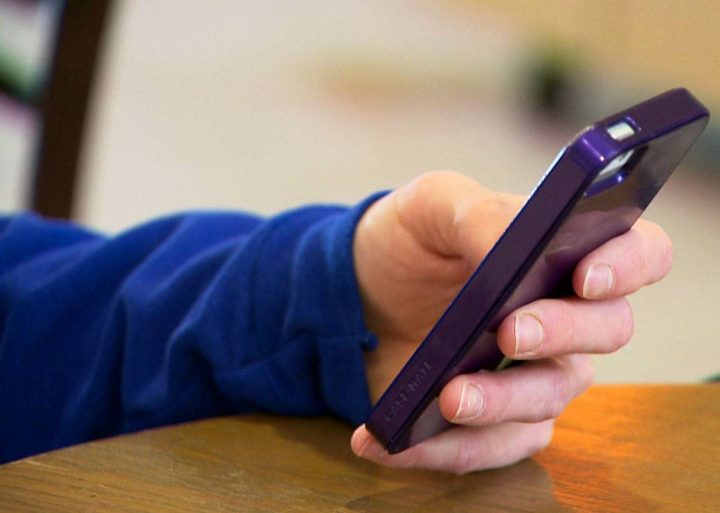
Dubbed “PTSD Coach Canada,” the free app — initially announced as a test in February — provides users with information on PTSD, self-assessment for symptoms, information about professional health care, and where to find support.
It also includes tools — ranging from relaxation skills and positive self-talk to anger management — that can help users manage symptoms and the stresses of daily life.

Get weekly health news
The customizable app, which can be downloaded to mobile devices through the iTunes store and Android Market, was adapted from an American version created by the U.S. Dept. of Veterans Affairs and Dept. of Defence.
While tailored to veterans and military personnel, any Canadian can use the app.
Blaney also announced the government would kick in almost $376,000 for a two-year study involving 140 clinicians.
The Ryerson University research will look at how effectively they are using cognitive-processing therapy to treat adults with post-traumatic stress disorder.


Mike Blais, of Canadian Veterans Advocacy, welcomed the initiatives.
“Many veterans have complained that clinicians in their respective regions are not capable of providing effective treatment to those who have served in Afghanistan or in other high intensity operations,” Blais said.
“The prospect of PTSD-specific collaborative research and a commitment to assemble and train clinicians in effective treatment programs is very encouraging.”
Post-traumatic stress disorder can occur after someone is exposed to a violently traumatic event. Symptoms can include flashbacks and nightmares and can lead to substance abuse and even violence.
Ryerson University Prof. Candice Monson will lead the project aimed at training clinicians to help the roughly 10 per cent of Canadians who suffer from PTSD and their families.
“Post-traumatic stress disorder is one of the most treatable mental-health conditions,” Monson said.
“We believe that using cognitive processing therapy to treat individuals with PTSD will significantly improve the lives of Canadians.”


Comments
Want to discuss? Please read our Commenting Policy first.