


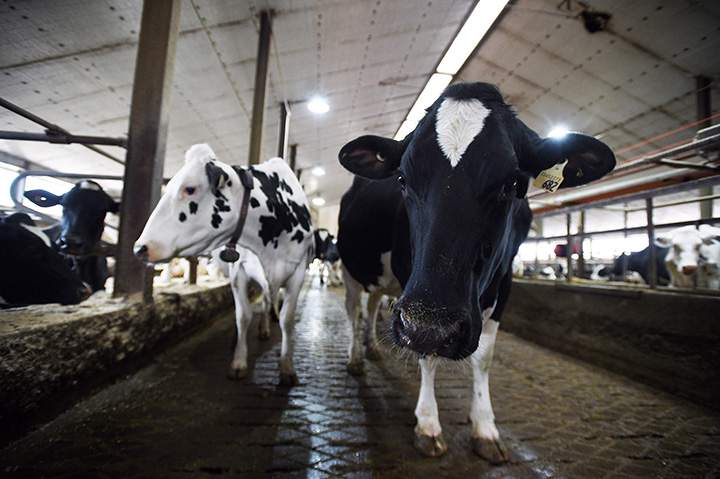
The county road tax is once again making headlines in southern Alberta.

This time, due to a report commissioned by the Alberta Cattle Feeders Association and the Alberta Beef Producers that says it could have a harmful effect on feedlots in the area.
The tax was introduced in 2016 as part of a road improvement initiative and is a business tax specifically for confined feeding operations, or feedlots, within the county.

Get weekly money news
The recent report says that tax may be increasing fixed costs to cattle feeding operations by almost 20 percent per head, and may result in lower returns on feedlot investments.
“Our beef is that the playing field is level for us and other beef producers across Canada,” said Rick Paskal, co-owner of VRP Farms.
Researchers evaluated the existing tax, and offered three alternatives to it.
- IBC estimates $230M in insured damage claimed from Edmonton storms
- Alberta First Nation sues Ottawa over $5 treaty annuity, argues amount stuck in 1899
- Jobs hang in the balance as Ekati diamond mine in N.W.T. closing early
- WestJet flight attendants hold information pickets as strike vote takes place


One option offered a GPS tracking system to impose some user fees on the trucking industry.
Another suggested taxing feedlots based on their distance from a provincial highway and amount of maintenance needed on the roads nearest them.
The third option recommended was a levy based on the ratio of feed raised by the farm to feed its own livestock, and how much is trucked in.
According to Lethbridge County Reeve, Lorne Hickey, “it does have some merit, but there are some definite deficiencies.”
The 23-page report was published by the University of Calgary’s School of Public Policy Publications and is available here.


Comments
Want to discuss? Please read our Commenting Policy first.