





It’s travel Tuesday, where we check in with travel expert Claire Newell from Travel Best Bets for tips to make your next vacation a breeze.

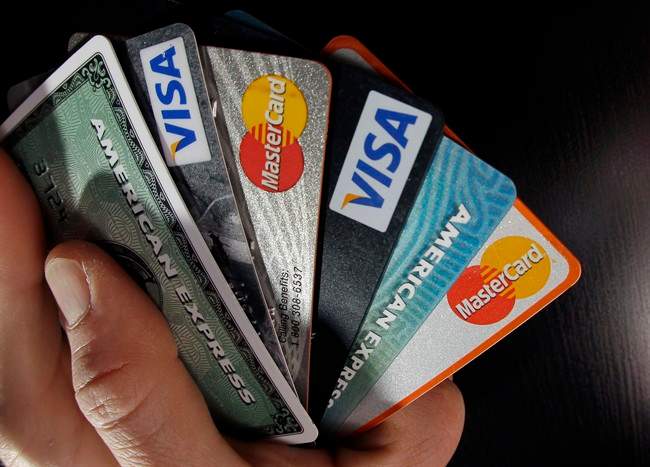
Debit cards, credit cards, cash or traveller’s cheques: there are a lot of ways to pay for things when travelling, especially outside of Canada. But what’s the best choice?
I always recommend taking a mix of payment methods. Usually, that involves local currency, or the currency most accepted there, a debit card to withdraw more if you need it and a credit card.
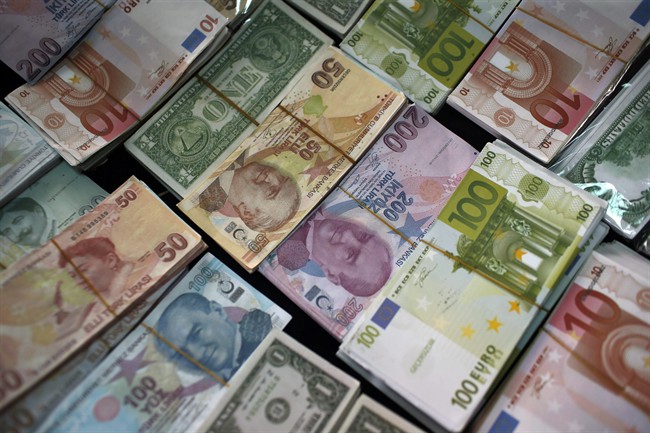
A good thing to keep in mind is that a credit card is safer than cash, has more fraud protection than a debit card and will get you the best currency exchange rate.
A recent survey found that using a credit card provided an average savings of eight per cent on exchange rates – when compared to those from the banks – and a whopping 16 per cent compared to the airport currency exchange locations.



Get daily National news
However, these savings could mean nothing if your card has a foreign transaction fee, so it’s always important to check your credit card agreement before going abroad.
I also recommend comparing foreign transaction fees from various issuers, websites like CreditCards.com are great for reviewing the fees in one spot.
Be sure to let your credit card company know about your travel plans. If not, those foreign charges could raise a red flag and your account could be frozen.
It’s also a good idea to take a second card with you. This will come in handy should your primary card not be accepted for some reason.
Finally, make a list of the international toll-free numbers for your credit cards in case there’s a problem and you need to contact someone about your account.


Comments
Want to discuss? Please read our Commenting Policy first.