

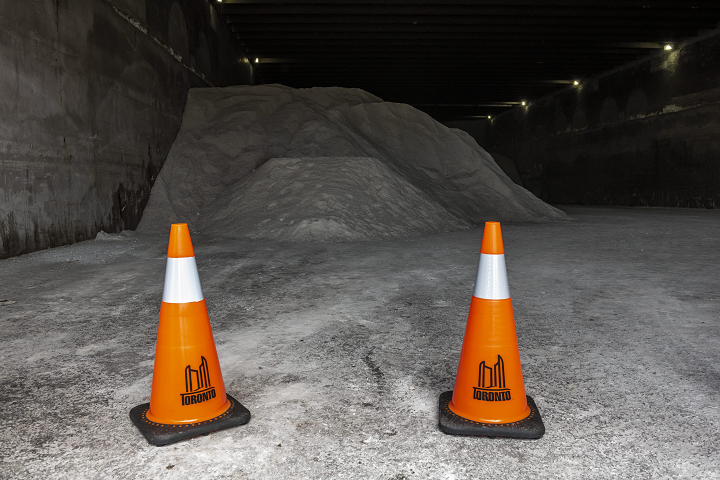
Environmental advocates say road salt levels in southern Ontario waterways have hit record highs, making some as salty as the ocean.

World Wildlife Fund Canada says its new maps tracking chloride from road salt show levels in many rural and urban southern Ontario waterways are increasing dangerously.
The organization says road salt’s chloride component is toxic to freshwater species and ecosystems.
It says runoff from winter use is affecting creek and river habitats for species like fish, frogs and mussels, and endangering their survival during the spring and summer spawning season.
- Calgary area ‘very uniquely situated’ for study of hailstorms, says researcher
- Memorial tree at Saskatoon cemetery to be cut down due to invasive disease
- ‘Sovereignty comes with responsibility:’ U.S. lawmakers to Canada on wildfires
- Bow Glacier Falls Trail, site of two deaths in 2025 rock slide, reopens to hikers
-
![]() Ontario wildfires: Residents evacuate devastated Collins First Nation as infrastructure wiped out
Ontario wildfires: Residents evacuate devastated Collins First Nation as infrastructure wiped out -
![]() Health alerts issused as wildfire smoke continues to blanket Peterborough region
Health alerts issused as wildfire smoke continues to blanket Peterborough region -
![]() Northwestern Ontario wildfires burn buildings, trigger evacuations
Northwestern Ontario wildfires burn buildings, trigger evacuations -
![]() City of Calgary could approve more than 17 thousand new homes by 2030
City of Calgary could approve more than 17 thousand new homes by 2030



Get breaking National news
The organization says more than seven million tonnes of road salt are used in Canada each winter by public road agencies, while use by small towns and private sector companies is not currently tracked in Ontario.
It says the maps are based on data collected during the summer months and allow researchers to compare chloride levels over more than a decade.


Comments
Want to discuss? Please read our Commenting Policy first.