


Some Saskatchewan roads might make drivers feel like they’re cruising over moguls instead of pavement, but a Saskatoon research team’s work could help change that.

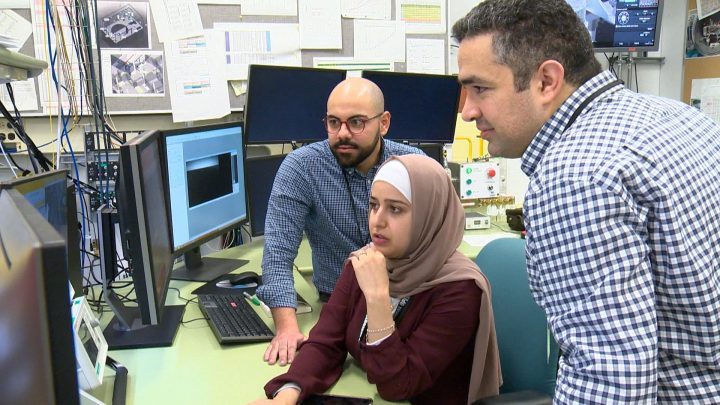
University of Saskatchewan researchers are exploring how different asphalt mixes respond to freezing and thawing cycles — an inevitability in Canada.
They’re using 3D images to examine what asphalt samples look like before and after they’re frozen and thawed multiple times.
Lead researcher Haithem Soliman said research in this realm is limited, and it could be used to increase the longevity of streets and highways.
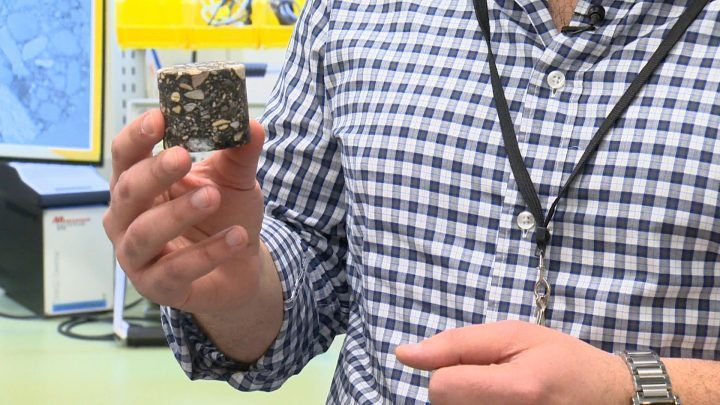
“This will give us the opportunity to have a better selection for our material, try to use new material, try to use recycled material in our mixes to be more sustainable.”
Once the samples are frozen and thawed 15 times, photos are taken at the Canadian Light Source on campus, using a machine similar to CT scanners used in hospitals.
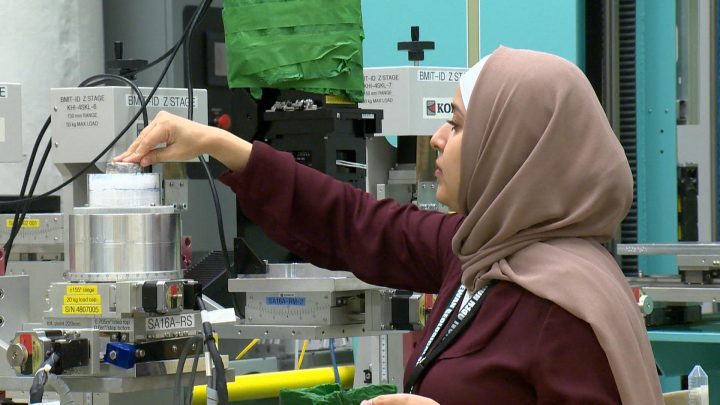
The photos show any internal damage caused by water permeating the asphalt, then expanding and contracting.
Get daily National news
The advanced imaging allows the team to explore what happens when more recycled asphalt or other materials, like shingles, are added to a mix, Soliman said.
“If we use more recycled material in the road, this will make our roads more sustainable,” he said.
Testing started last month. Once finished, the researchers hope to share the results with the province and municipalities.




Comments
Want to discuss? Please read our Commenting Policy first.