








Get breaking National news
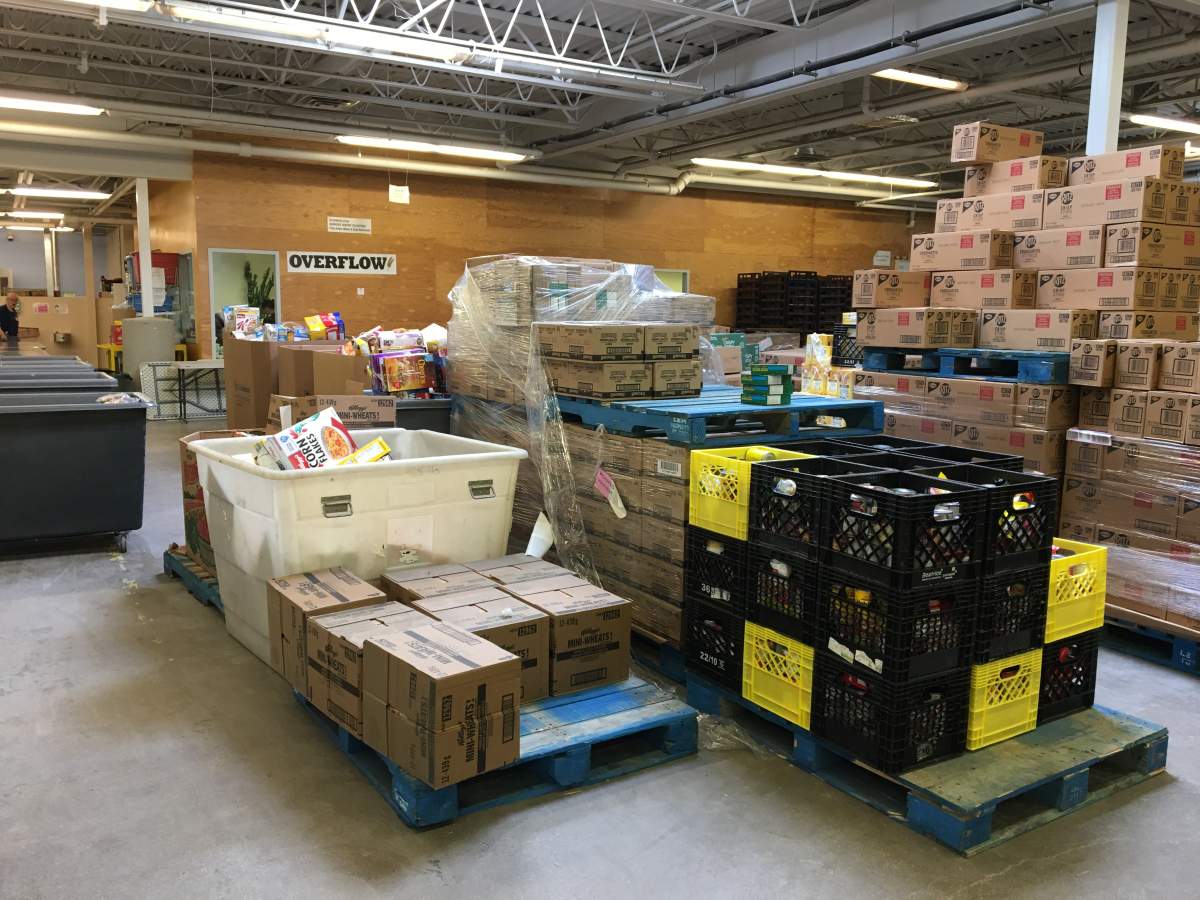
Although they’ve been able to meet the demand so far — with the help of generous donors and communities stepping up and holding their own food drives — Taylor-Hughes said she’s not sure how sustainable the current situation will be in the long term.
“We’re actually quite concerned,” she said. “We’ve been fortunate there’s lots of federal support and programming in terms of funds that are going out, which I think is helping us stabilize at the moment.
“But we know that when those funds wear out at about 14 or 16 weeks, we are going to see a dramatic spike in people that will still have no funds.
- Chinese EV issue part of U.S. trade talks, Mexico foreign secretary says
- The Canada Child Benefit goes out on Monday and gets a small increase
- ‘I feel so bad and so trapped’: Rogers customer falls victim to sophisticated delivery scam
- IBC estimates $230M in insured damage claimed from Edmonton storms


“We’re actually trying to really be smart and — it’s horrible to say — prepare for the worst. I think it’s going to be a lot worse before it gets better, and it’ll be a long time — it’ll take years for this to actually change for us.”
READ MORE: Coronavirus: Winnipeg partnering with co-op to boost food security, opening ‘food hubs’ for farmers
Despite the pandemic, Harvest is still seeking emergency volunteers, as well as donations of food and funding. Information about all the ways Winnipeggers can help the organization can be found on their website.



Comments
Want to discuss? Please read our Commenting Policy first.