


Ottawa is re-launching a cost-shared program with the provinces aimed at helping the seafood industry to market its product.

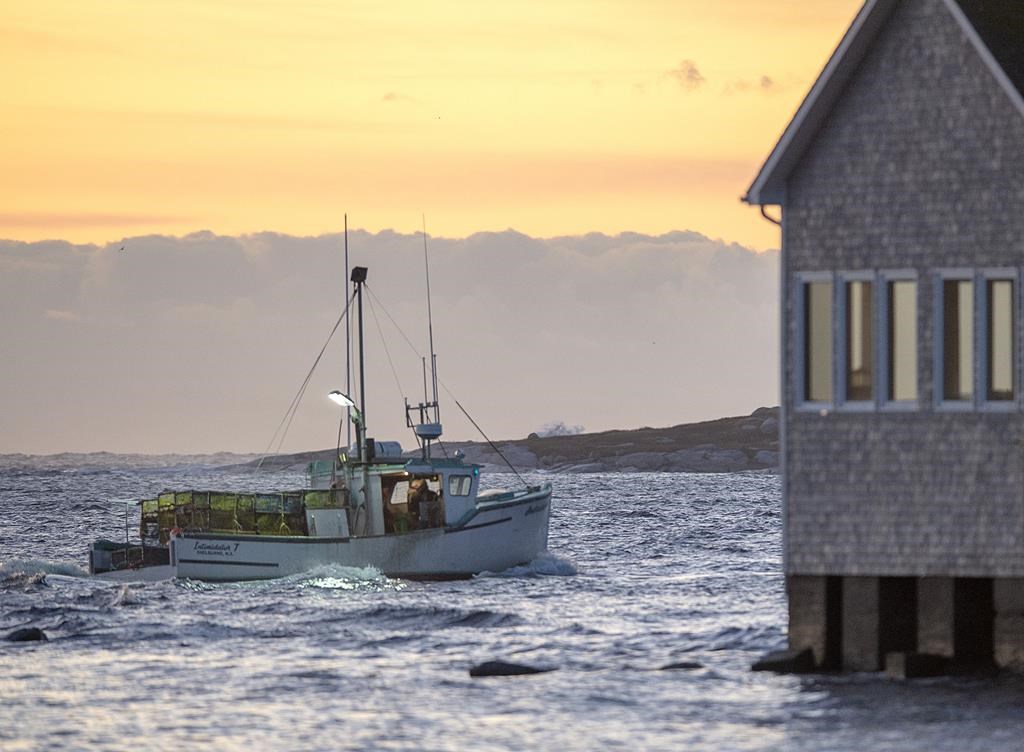
The Maritime Fishermen’s Union predicted a gloomy forecast for the spring season with the pandemic’s safety concerns, crushed markets and reduced processing capacity.
But fishermen are taking it “day-by-day,” says the union’s executive director.

“Things could’ve been way worse,” says Martin Mallet. “At least our fishermen have had a chance to go out and catch part of their catch.”
The price for lobster has taken an approximate 40-50 per cent hit compared to last year, he says, coming in at about $3.50 to $5 per pound.

Get daily National news
In Ottawa Wednesday, the prime minister announced money for the industry to market its product. A $42-million fund that was first implemented in 2018, but now will be open with no deadline to apply, according to the press secretary for Bernadette Jordan, the federal Fisheries and Oceans minister.
“As of today, the Canadian Fish and Seafood Opportunities fund is available to help producers access new markets, reach new customers and maintain a foothold internationally,” said Justin Trudeau. “Canada’s seafood is among the best in the world and this fund will help spread the word.”
Trudeau also announced that applications open Monday for the $62-million Seafood Stabilization Fund, a COVID-19 relief fund for the processing sector, which was announced earlier in the pandemic.
- Chinese EV issue part of U.S. trade talks, Mexico foreign secretary says
- Vancouver working to avoid ‘the great sigh’ following FIFA World Cup excitement
- Port of Vancouver expansion project referred to Canada’s Major Projects Office
- Close to 800,000 have applied for $100 rebate, payments coming: Alberta’s Smith


Jane Deeks, Jordan’s press secretary says the money will be available “as soon as possible.”
Mallet says federal support is great, but the delay in getting the dollars or details is the concern.
He says temporary foreign workers recently started working in New Brunswick after a provincial ban was placed — then lifted — due to the coronavirus. And that has helped the increase processing capacity for the Maritimes.
“Things are stabilizing,” Mallet tells Global News. “If things can stay relatively stable for the rest of the season, we might get by and survive until next year.”
Restaurants reopening is also helping market demand increase.
The spring season for several local areas is expected to close at the end of June.
But Mallet says Zone 23 — covering northeastern New Brunswick — has asked for a four-day extension to the season due to the initial two-week delay.


Comments
Want to discuss? Please read our Commenting Policy first.