


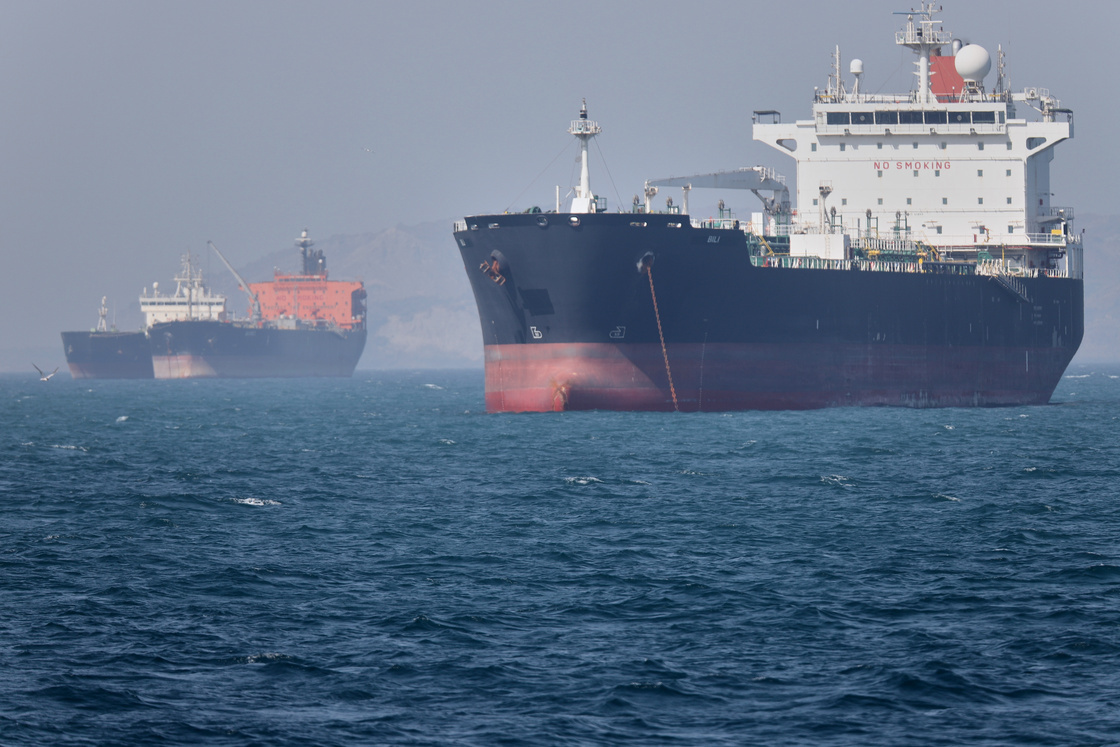
The war in the Middle East, which has shut down the Strait of Hormuz, has caused oil stockpiles in the world’s largest economies to fall to their lowest levels since at least 2003, according to the latest “forecast overview” of global oil markets, issued Tuesday by the U.S. Energy Information Administration (EIA).

The American government energy statistics and analyses agency said the world’s top consuming nations — China, the United States, and India — have tapped oil inventories at a record pace to help offset the loss of over 11 million barrels per day of Middle Eastern output in May, compared to pre-conflict levels.

Get daily National news
The reduced availability of fuel has also contributed to a spike in the price of petroleum products, according to the report.
Diesel and aviation jet fuel wholesale prices are set to increase by “more than 60 per cent in 2026 and 40 per cent in 2027” and wholesale gasoline prices increasing “by 50 per cent in 2026 and nearly 40 per cent in 2027,” compared to pre-conflict prices.
The report assumes maritime traffic through the Strait of Hormuz “will remain effectively closed in the near term,” but oil shipments will resume in the third quarter of 2026.
Even with the reopening of the Strait, the EIA predicts it will likely take several months for production to return to pre-conflict levels, which it doesn’t think will happen until early 2027.
–with files from Reuters




Alberta never wanted our O&G on the global market because there’s never a shortage in the Americas. Yet here we are paying for Trudeau Sr. stupidity.
Are folks really that stupid to believe that we have a supply problem? ONLY 5% passes through those straits. WHERES THE OTHER 95%??
We are being screwed by every damned oil baron and stock markets alike! One small group of billionaire motherf*ckers screwing this world!
Canada could easily have solved that problem, but we are a nation of idiots who elect idiots.
We have all the oil we need right here in Canada and the USA. The problem has never been the supply or the demand.