

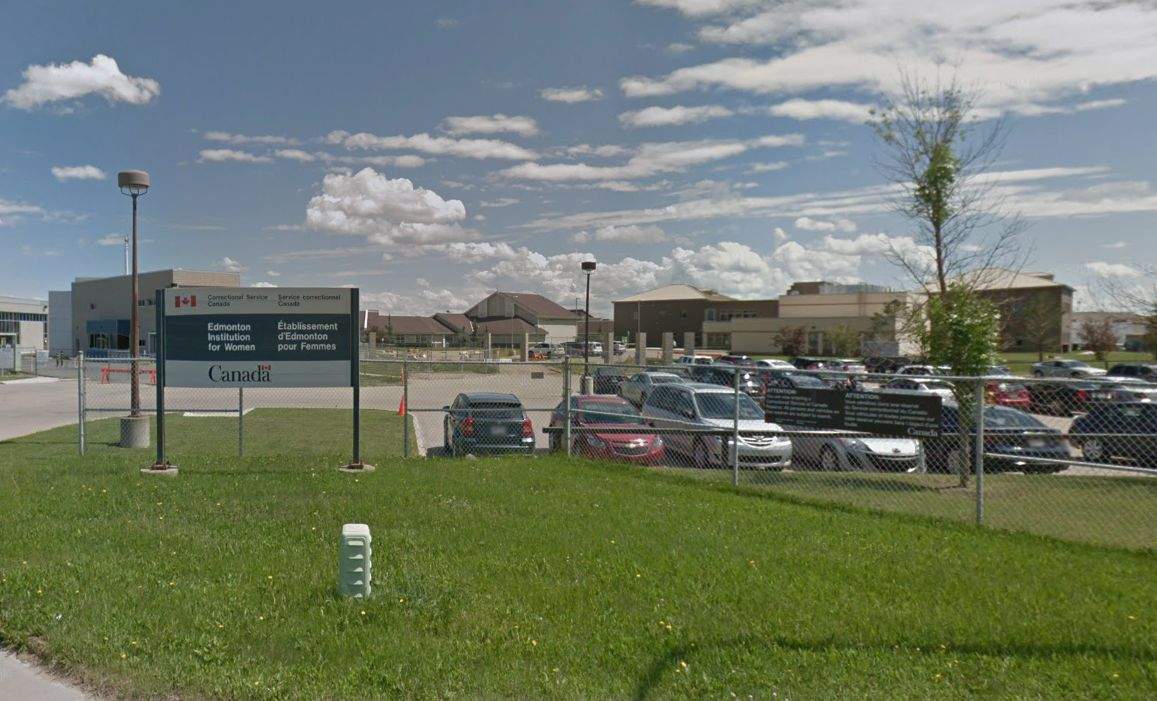
The Federal Court has directed an Alberta prison to take steps to install air conditioning in response to complaints about extreme heat that go back two decades.

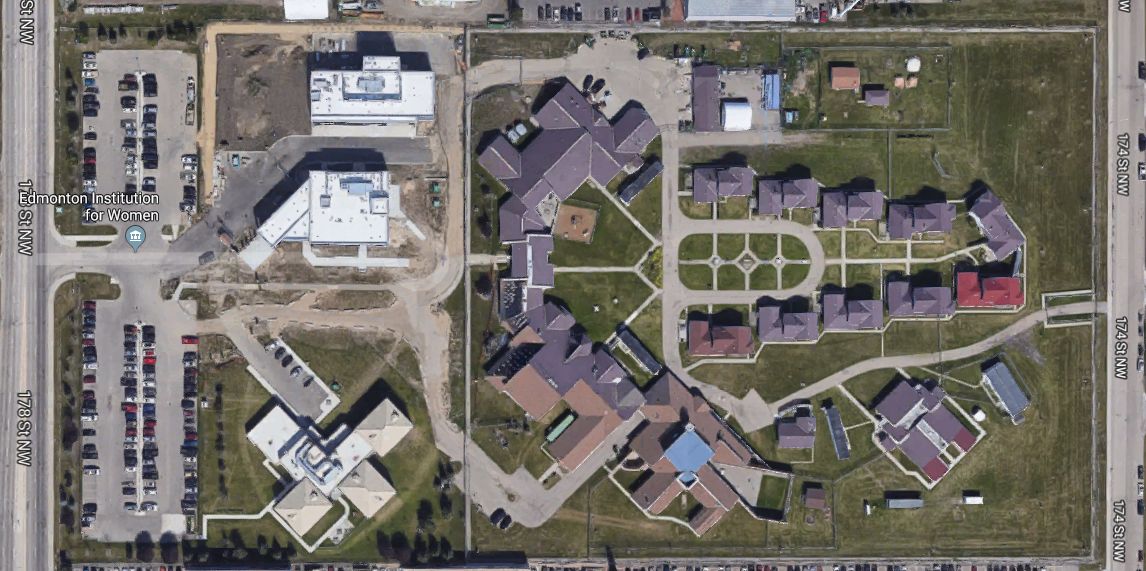
The court said Correctional Service Canada failed to put an effective solution in place at the Edmonton Institution for Women’s secure unit.
“The excessively high temperatures have caused inmates to suffer panic attacks, psychological distress, and sleep deprivation. It is a long-standing problem: CSC has known of design problems with the temperature regulation equipment in Secure since as early as 2012,” Justice Meaghan Conroy wrote in the July 16 decision.
One affidavit from an inmate housed in 2018 in a corner cell nicknamed “the oven” said a maintenance worker recorded a temperature of over 40 C in her cell.
Conroy wrote that while Correctional Service Canada “says it routinely monitors temperatures in Secure, remarkably, it keeps no written records of its temperature readings.”
The court directed Correctional Service Canada to record temperature readings in the unit and to ask for authorization to install air conditioning.

Get weekly health news
The Canadian Human Rights Commission has referred a separate complaint by the John Howard Society of Canada about heat in prisons to the Canadian Human Rights Tribunal.
- Air quality warning in Edmonton, much of Alberta due to N.W.T. wildfire smoke
- Canada temporarily bars foreign nationals who visited Congo amid Ebola risk
- Cyclosporiasis outbreak linked to lettuce at Taco Bell, Mexico supplier
- ‘It was horrible’: Ontario man warns of tick-borne illness after 10-day hospital stay


In his July 8 referral decision, commissioner Sasha Kiran Cragg-Gore of the Canadian Human Rights Commission wrote that Correctional Service Canada hadn’t demonstrated that it accommodates inmates “to the point of undue hardship in their practices and policies to mitigate the impacts of extreme heat.”
The decision noted there are already other complaints from individual inmates in front of the tribunal.
It said the John Howard Society complaint goes beyond individual cases “and implicates the treatment and dignity of an entire demographic group in federal custody: the unique vulnerability of older and disabled incarcerated prisoners, who cannot self protect from environmental harms.”
As temperatures rise due to climate change, the case could set a precedent regarding how federal institutions “adapt operational standards to safeguard the health and dignity of those in custody,” Cragg-Gore wrote.
“It would also provide valuable guidance for broader climate adaptation efforts in health care, elder care, and institutional facilities — sectors facing parallel risks.”


Comments
Comments closed.
Due to the sensitive and/or legal subject matter of some of the content on globalnews.ca, we reserve the ability to disable comments from time to time.
Please see our Commenting Policy for more.